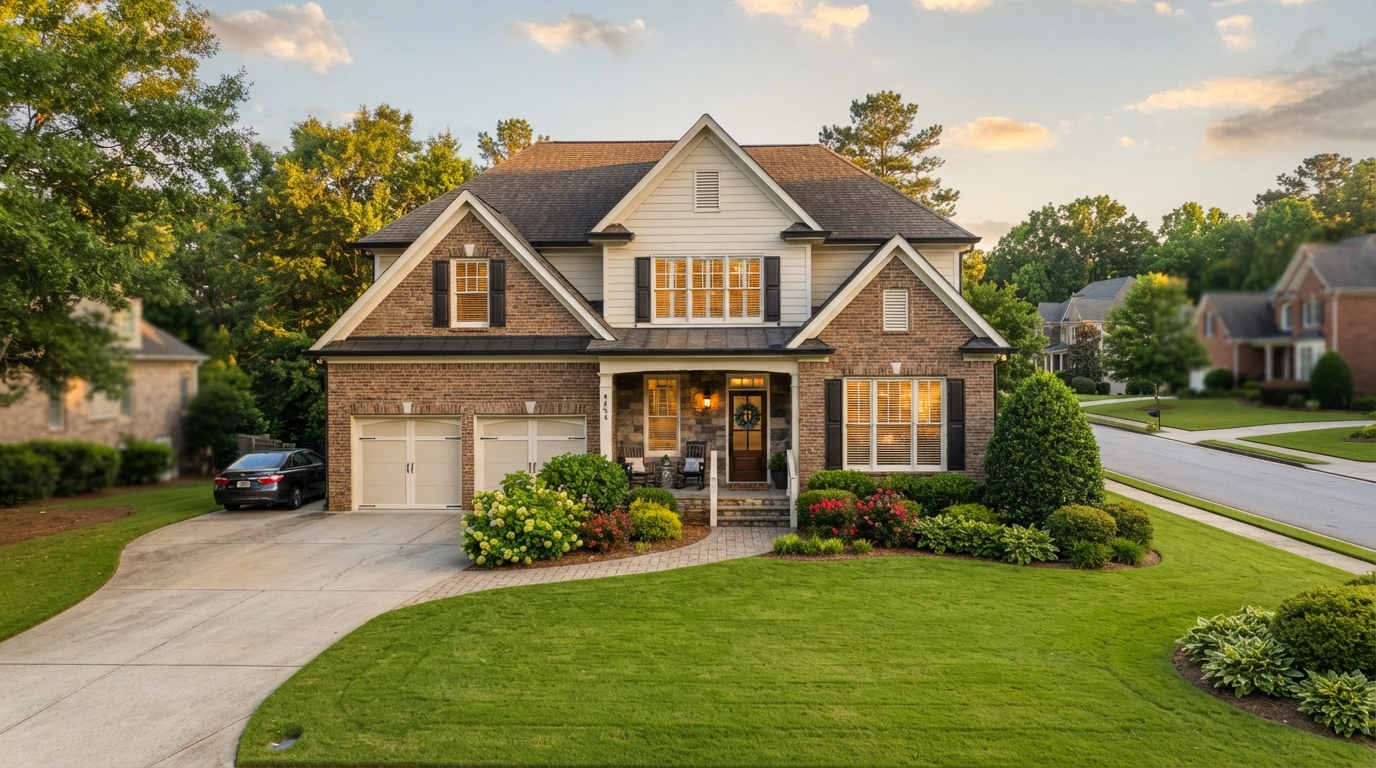
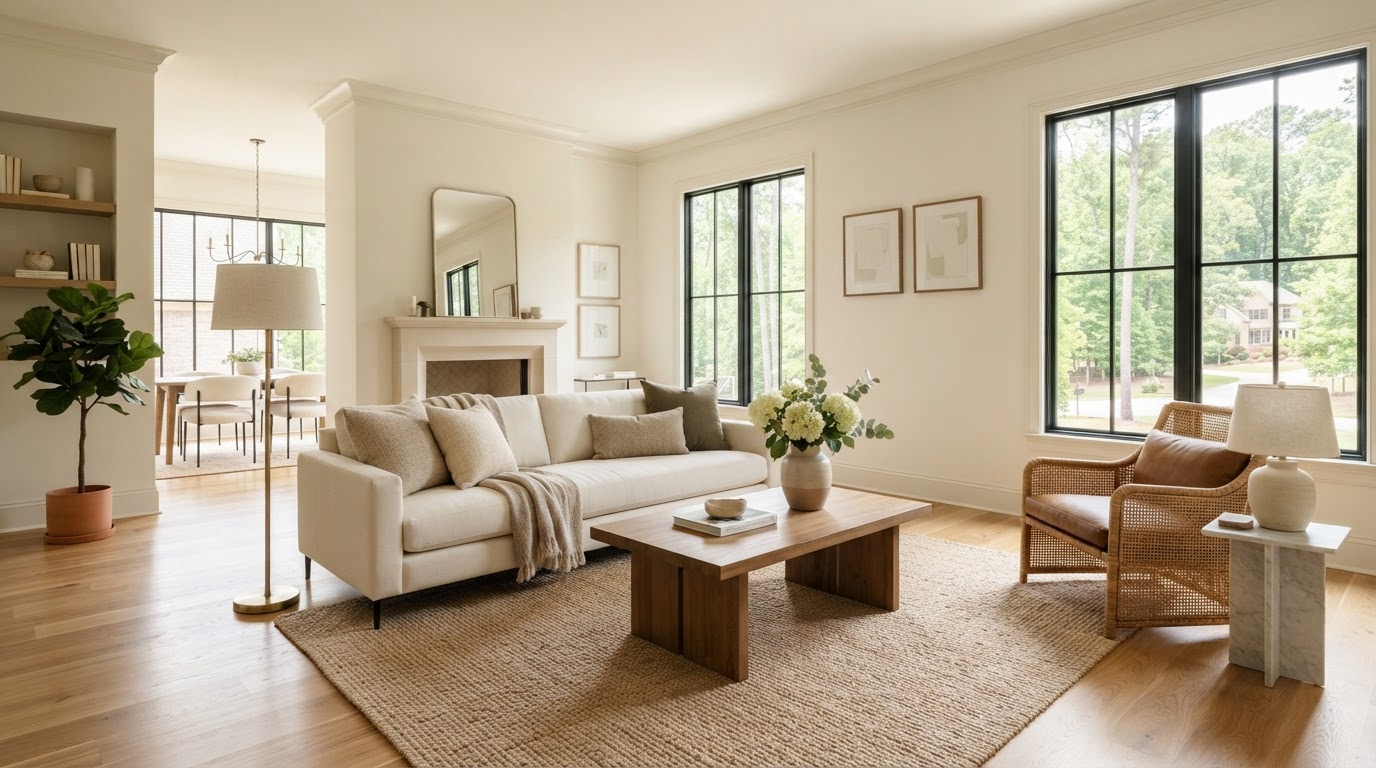
In Greater Atlanta, a listing usually gets its first showing on a phone. Buyers scrolling past homes in Brookhaven, Buckhead, Douglasville, Smyrna, Marietta, or Vinings decide within seconds whether an address is worth a drive, and they make that decision from photographs. Staging is the work that determines what those photographs look like.
Staging is not decorating. It is a marketing exercise: arranging furniture, light, color, and open space so the largest possible pool of likely buyers can picture themselves living in the house. What follows covers what staging changes, which rooms carry the most weight, how to manage the process while you still live in the home, and what to ask an Atlanta stager before you sign anything.
Why staging carries weight in the Atlanta market
Buyers here rarely tour a home cold. They study the listing photos, compare the floor plan against three or four other houses in the same price range, and then choose which addresses deserve an afternoon. A staged home enters that comparison with an advantage: rooms read larger, the layout makes sense, and the images pull people through the door.
Local stagers have built full-time practices around that competition. HR Staging & Design reports that staged listings sell 73 percent faster with offers averaging 12 percent higher, and says it has staged more than 3,000 listings in metro Atlanta. Design2Sell and No Vacancy each describe more than 19 years in real estate marketing and home staging. Treat these as the companies' own reported figures rather than a promise about your specific house. Results move with price point, condition, and neighborhood, but the underlying pattern holds: the homes that photograph best get the most showings.
What staging actually changes in a room
Good staging is mostly subtraction and repositioning. The stager is editing a space so a buyer's eye travels where it should.
- Opening sight lines so doorways, hallways, and windows are not blocked by furniture.
- Rescaling pieces so a room feels properly proportioned instead of crowded or sparse.
- Adding light, whether through lamp placement, lighter window treatments, or fewer objects competing for attention.
- Neutralizing color and personal collections so buyers study the house rather than the homeowner.
- Giving every room an obvious purpose, including spare bedrooms that could otherwise read as storage.
Room-by-room staging priorities
The entry and living room
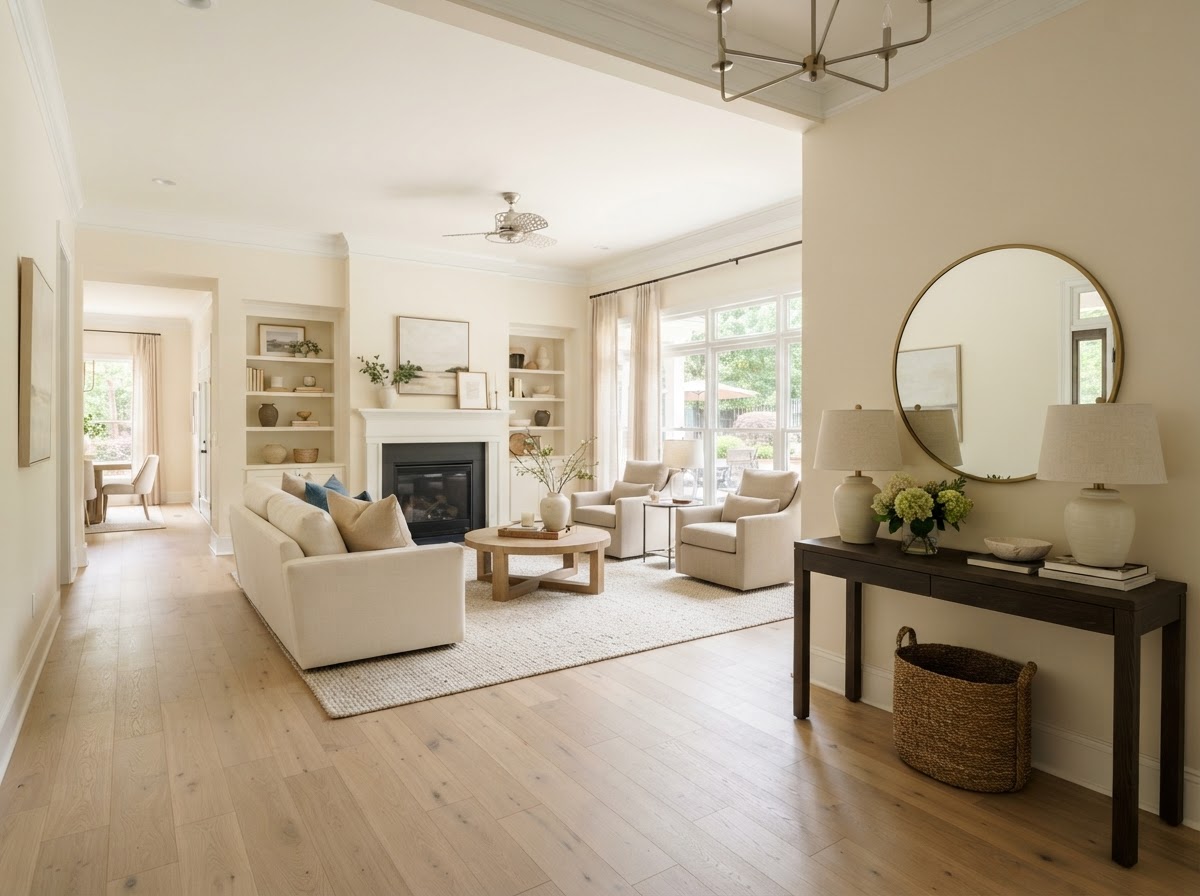
The entry sets the tone for the entire tour. A clear path, a place to set keys, and a mirror or console that does not crowd the doorway make the first ten seconds feel calm. In the living room, the goal is conversation and flow: seating pulled slightly off the walls, a defined conversation area, and a clear walking path to the next room. Atlanta homes with open-plan main floors benefit most from furniture that hints at zones instead of one large U-shaped arrangement.
Kitchens
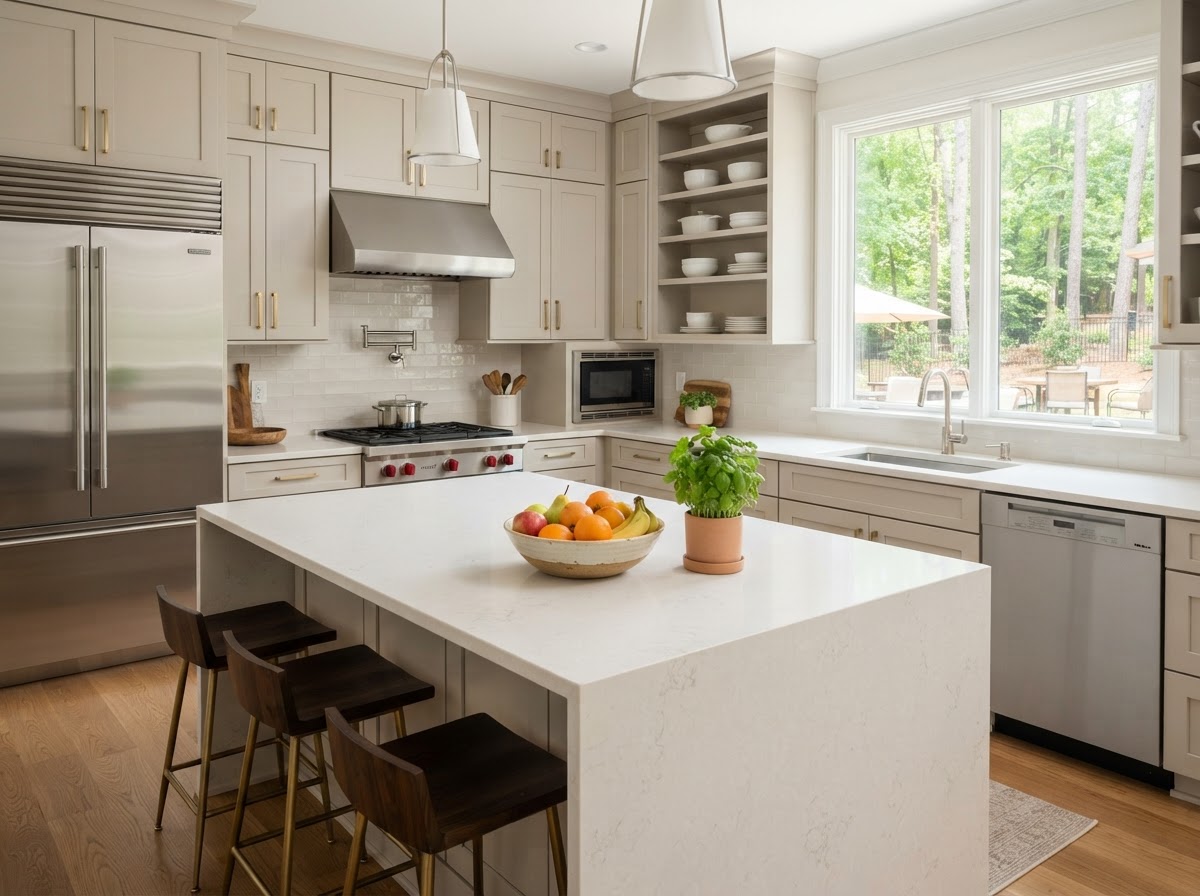
Kitchens sell houses, and they photograph poorly when cluttered. Clear the counters down to one or two deliberate items, empty the refrigerator front of invitations and school papers, and remove dish racks, knife blocks, and small appliances you use daily. Buyers open cabinets and drawers, so leave storage organized. A bowl of fruit or a single plant does more for the photo than a fully dressed countertop.
Primary bedroom
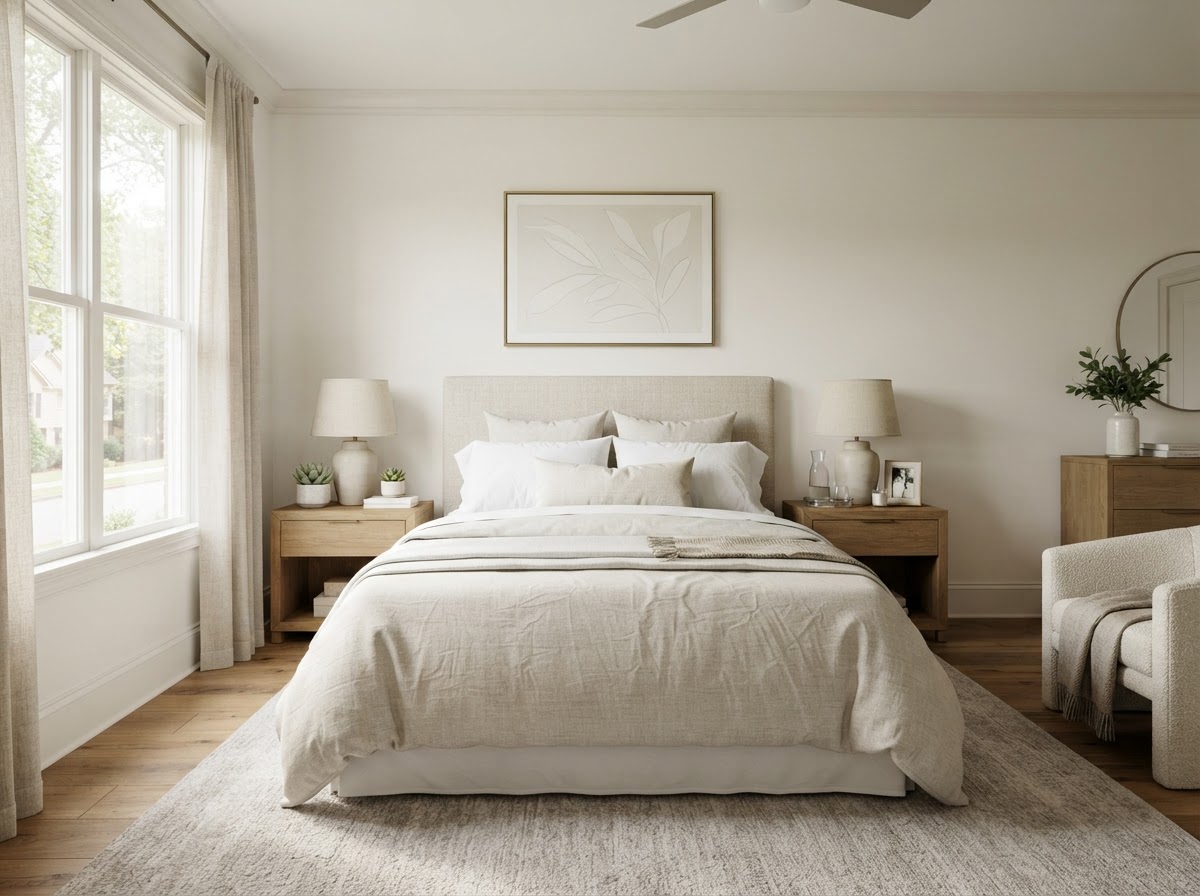
Buyers respond to calm. A bed dressed in light, neutral bedding, two nightstands with lamps, and almost nothing on the walls reads restful. Remove exercise equipment, laundry baskets, and overflow storage from this room first, because closets and floor space signal whether the home can hold everything the buyer owns.
Bathrooms and spare rooms
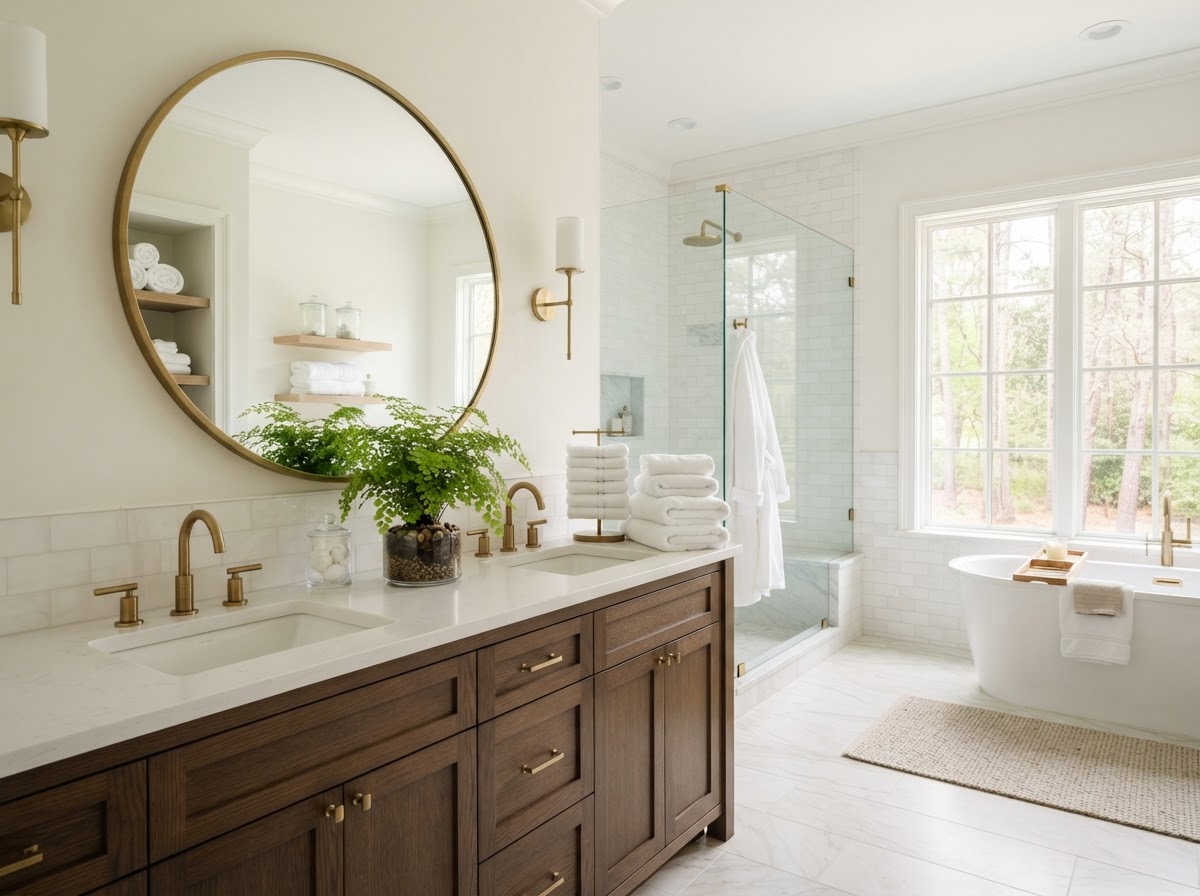
In bathrooms, match towels, clear the vanity, and hide personal products. Spare rooms should have a stated identity: guest room, office, or nursery. An empty room with a treadmill in the corner gives buyers nothing to remember, while a simple desk and chair can make a small room feel intentional.
Occupied staging compared with vacant staging
The two situations present different problems, and stagers price and plan for them differently.
| Consideration | Occupied home | Vacant home |
|---|---|---|
| Biggest obstacle | Too much personal belongings and furniture | Rooms read smaller or confusing without scale |
| Typical approach | Edit, rearrange, and supplement with a few rented pieces | Bring in furniture, art, and textiles for key rooms |
| Preparation before staging day | Declutter, depersonalize, and deep clean | Clean, paint touch-ups, and confirm utilities are on |
| Main question for the stager | What stays and what gets packed away | Rental term, delivery, and removal timing |
Staging a home you still live in
Most Atlanta sellers cannot move out before listing. Living in a staged home is a daily routine rather than a single event.
- Pack away a third of what you own before the stager arrives, starting with off-season clothing, hobby gear, and paperwork.
- Keep counters, tables, and bathroom vanities clear at all times, since showings can be scheduled with short notice.
- Store cleaning supplies, pet items, and trash bins out of sight before each appointment.
- Set the lighting and temperature before you leave so the home feels bright and comfortable when buyers walk through.
- Resist the urge to rearrange after the stager finishes. The arrangement was built for photographs and traffic flow.
Choosing a stager in Greater Atlanta
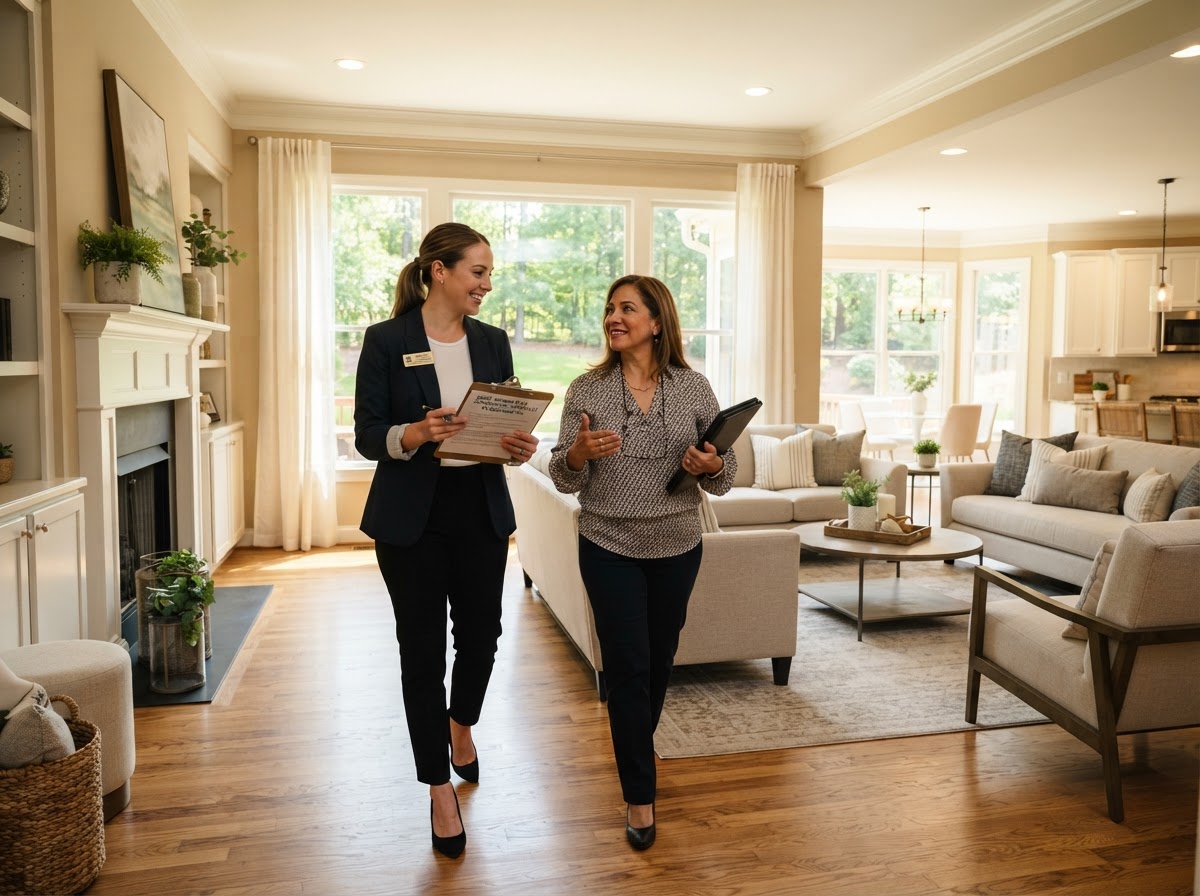
Staging coverage in metro Atlanta is wide. HR Staging & Design describes serving Atlanta within a 50-mile radius, which reaches Douglasville, Marietta, and most of the outer suburbs. Everly Design Company advertises that it handles delivery and stages a home in under three hours. Design2Sell offers a free 15-minute call, and No Vacancy promotes a pay-at-close program alongside its staging services. Some Atlanta stagers list weekday daytime business hours, so confirm availability early if you need an evening consultation.
Because pricing, rental terms, and contracts vary by company and are not published consistently, ask each stager directly and get the answers in writing:
- What is included in the quote, and what costs extra, such as delivery, installation, and removal?
- How long is the rental term, and what happens if the home sells sooner or sits longer?
- Is there a pay-at-close option, and what are its conditions?
- Will the stager use your existing furniture, or bring in rented pieces?
- Who is responsible for damage, insurance, and moving day logistics?
- How soon can the home be staged relative to your photo appointment?
Fitting staging into your listing timeline
Staging works best when it happens before photography, not after. The sequence that keeps a listing from stalling is straightforward: declutter and make repairs first, bring the stager in to plan the arrangement, then schedule photos and the first showings. If you list before staging, the first round of photos becomes the weakest marketing your home will ever have, and buyers who saw those images rarely circle back for a second look. Coordinate the staging date with your agent so the photography, sign installation, and launch all land in the same week.
Staging is part of a full listing plan
Presentation is one piece of a sale, and it works better when it is tied to pricing and marketing rather than treated as an afterthought. Property by Porsha, the practice of REALTOR® Porsha Hodge-Overton, represents sellers across Greater Atlanta and Douglasville with home valuation, pricing strategy, staging guidance, marketing, photography, and negotiation. A free Home Selling Checklist is available for sellers who want to work through preparation steps in order. The right time to start the conversation is before the first box is packed, not the week the sign goes up.
The fastest way to know what your home needs is to walk it with someone who sees Atlanta listings every week. Before you spend anything on furniture or paint, get an honest read on which rooms are already carrying the sale and which ones are quietly holding it back.